What It Is & Cultural Scope
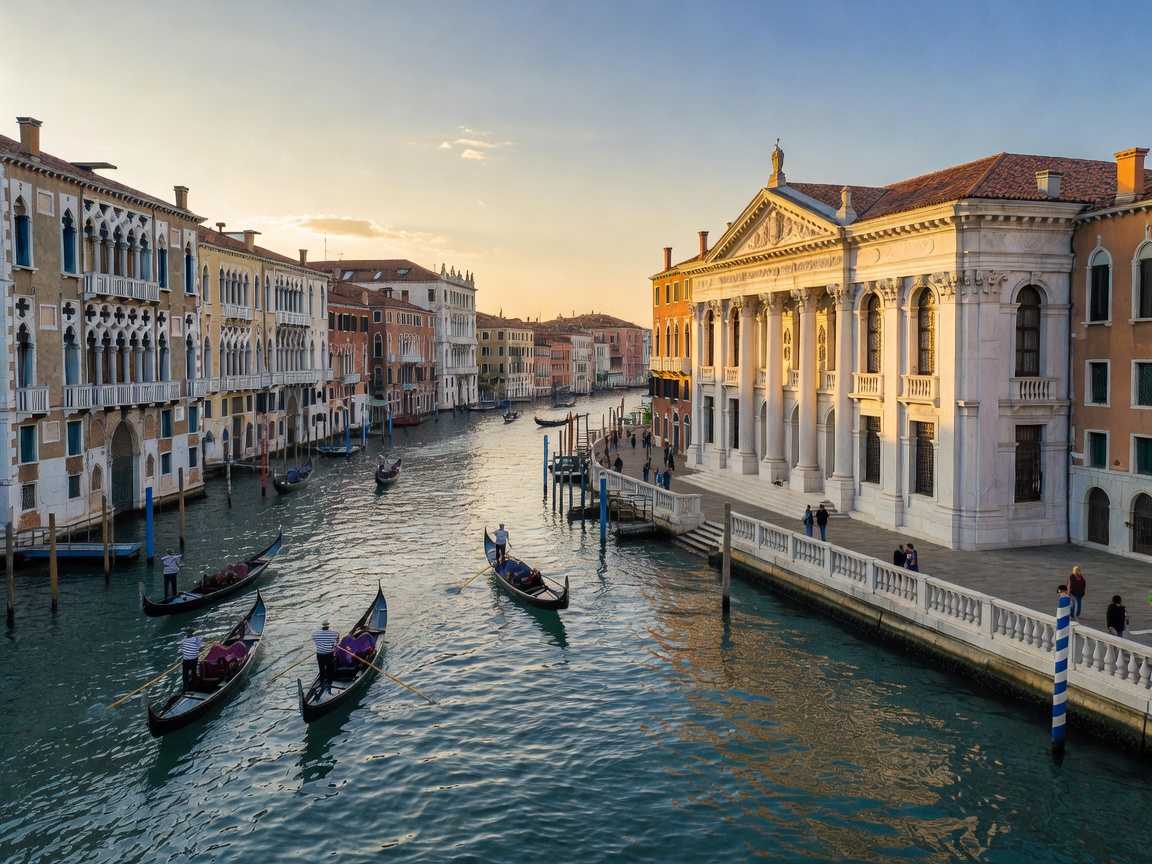
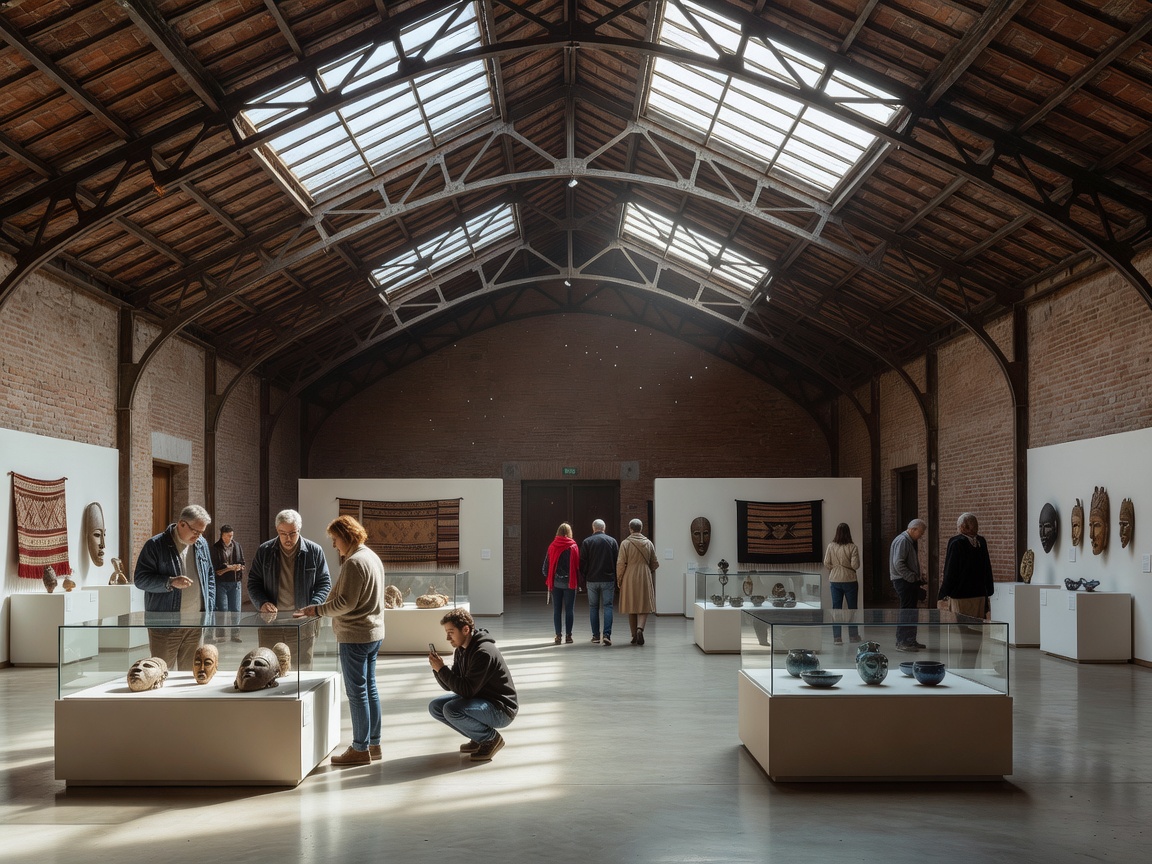
La Biennale di Venezia was inaugurated in 1895 and stands as the foremost international contemporary art forum in existence. Occupying the shaded Napoleonic gardens of the Giardini and the medieval rope-making shipyards of the Arsenale, it showcases curatorial projects and national pavilions from over 80 sovereign countries alongside collateral exhibitions across palazzos and deconsecrated churches throughout the Venetian lagoon.
Verified Technical & Operational Specs
| Host City / Coordinates | Venice, Veneto, Italy (45.4342° N, 12.3553° E) |
|---|---|
| Exhibition Season | Late April through late November (7 full months) |
| Main Venues | Giardini della Biennale (30 Historic National Pavilions) and Arsenale (Corderie, Artiglierie) |
| Opening Schedule | Tuesday through Sunday 10:00–18:00 (Closed Mondays except holiday weeks) |
| Accessibility Note | Venice ramps install bridge access along main Giardini and Arsenale boat docks |
What Visitors Can Expect
Walking into the Corderie dell'Arsenale presents a stunning 300-meter straight corridor of monumental sculpture, immersive architectural video art, and interactive installations. In the Giardini, travelers discover distinct architectural pavilions built throughout the 20th century by legendary architects like Alvar Aalto and Carlo Scarpa, each reflecting a specific national artistic voice.
Transit & Neighborhood Routing
- Vaporetto Water Bus: ACTV Lines 1, 4.1, 4.2, 5.1, and 5.2 directly serve Giardini and Arsenale stops.
- From Venice Santa Lucia Rail Station: Direct 40-minute scenic Vaporetto ride down the Grand Canal or fast Line 5.1 express through the Giudecca Canal.
- Pedestrian Walking Trail: 25 minutes along the Riva degli Schiavoni promenade walking east from St. Mark's Square.
- Transit Passes: Purchase a 24-hour, 48-hour, or 7-day ACTV tourist water bus pass to enjoy unlimited lagoon transport.
Editorial Reviews Breakdown
Independent Critic Appraisals
"The Venice Biennale is unmatched in gravitas and geographical beauty. Walking between medieval shipyard brickwork and cutting-edge global art installations creates an indelible aesthetic memory."